Greek mythology
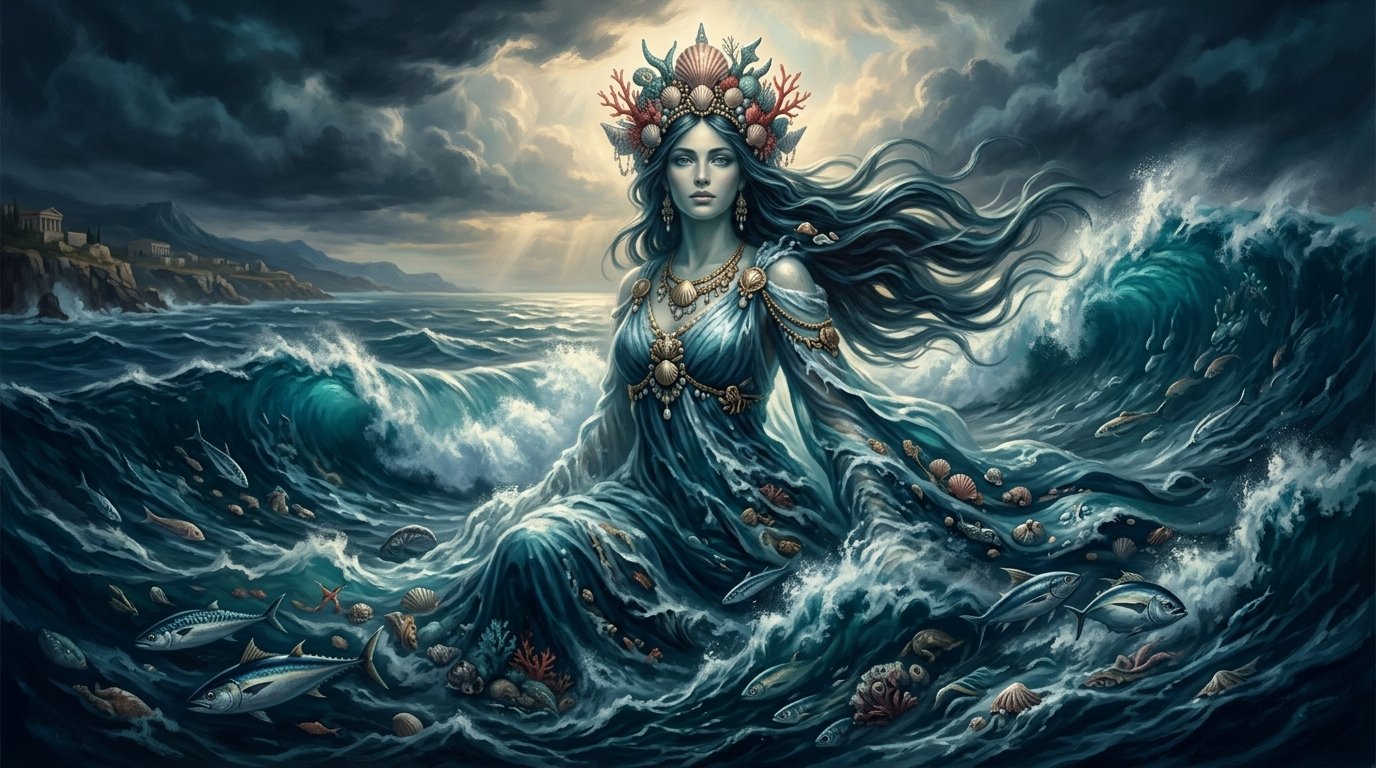
Thalassa: The Sea Itself in Greek Mythology
Table of Contents The Sea, Given a Feminine Name Paired With Pontus Distinguishing Thalassa From Amphitrite and the Nereids A ...
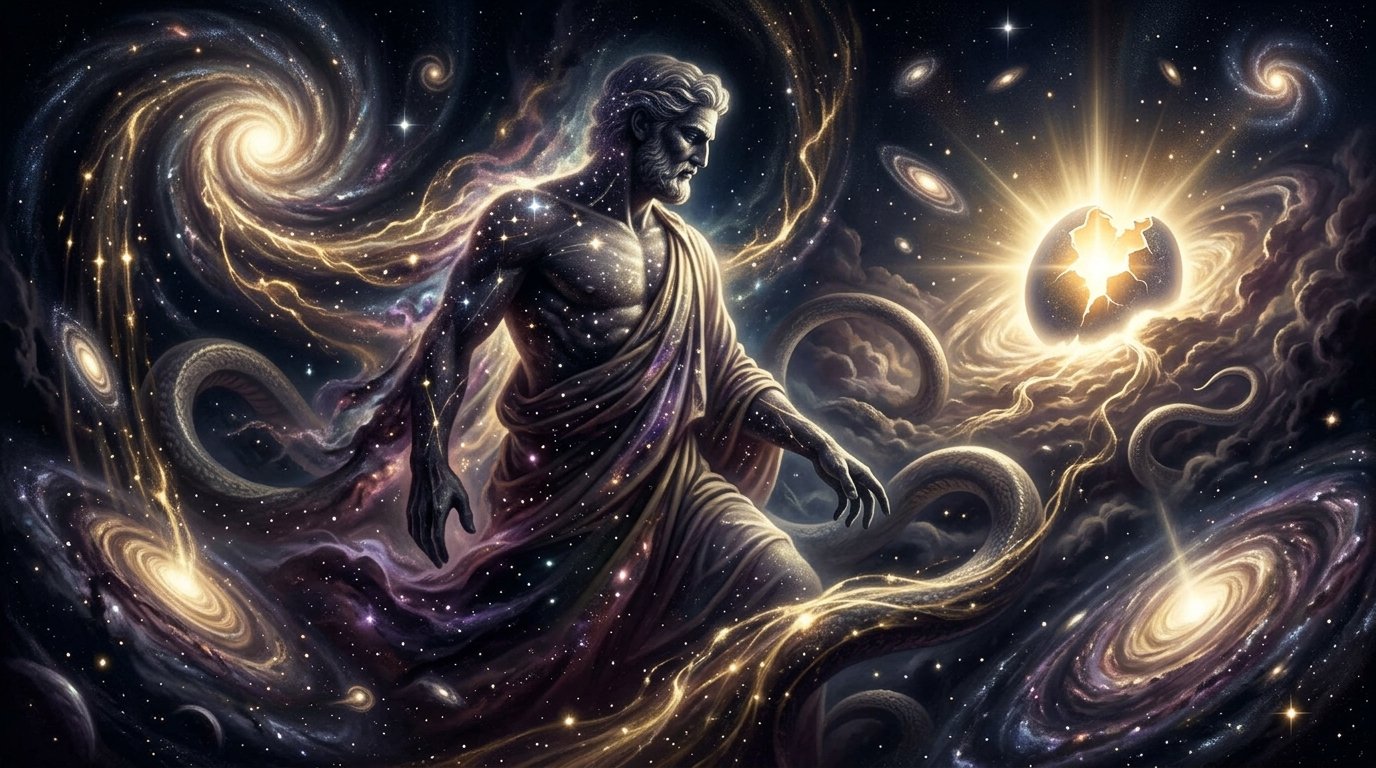
Chronos: Time Itself in Greek Mythology
Table of Contents Time, Not the Titan Who Ate His Children A Figure Hesiod Barely Mentions Time and Necessity, Wound ...
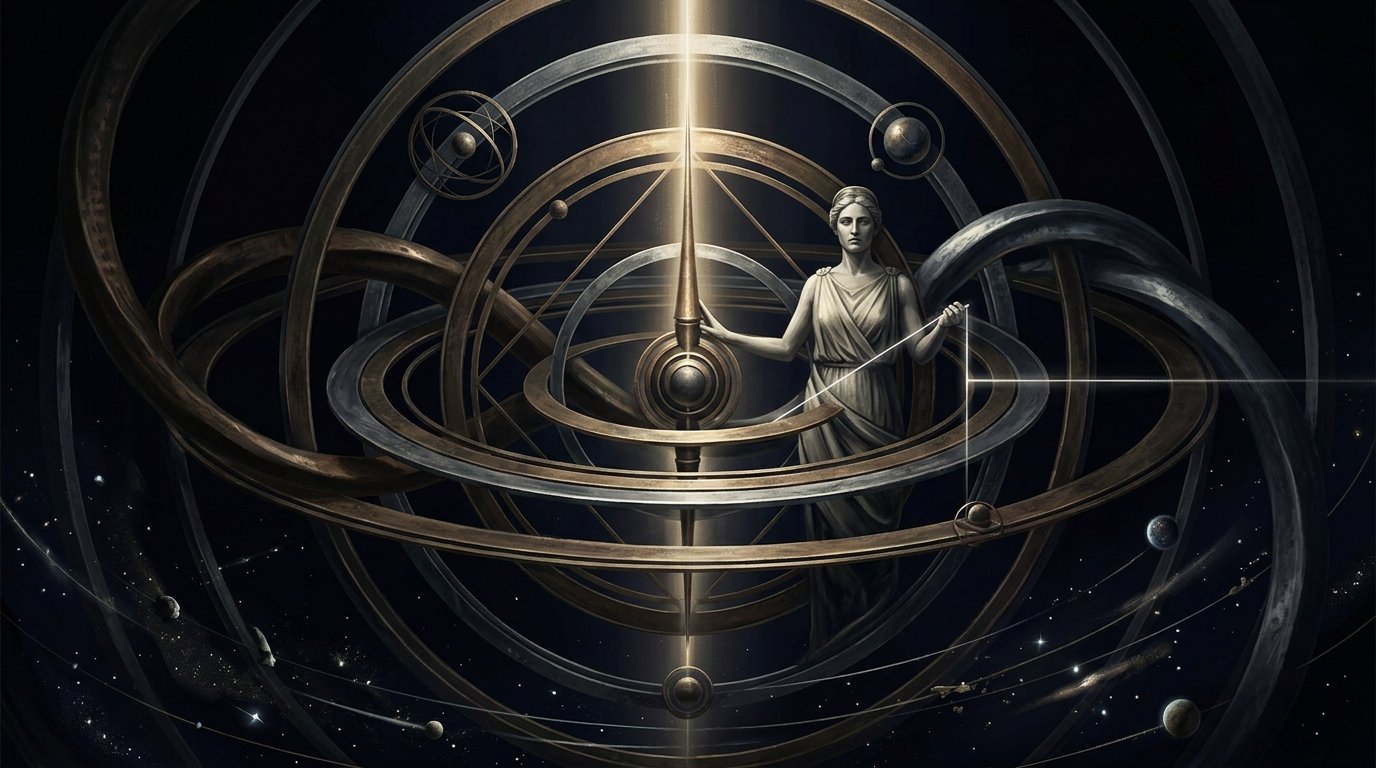
Ananke: The Greek Personification of Necessity
Table of Contents A Figure Outside Hesiod’s Main Account Necessity and Time, Coiled Together A Concept Philosophy Found Useful Ananke ...

Hemera: The Greek Personification of Day
Table of Contents Day, Born From Night Sharing a Threshold With Night Not the Same as Eos A Structural Figure, ...
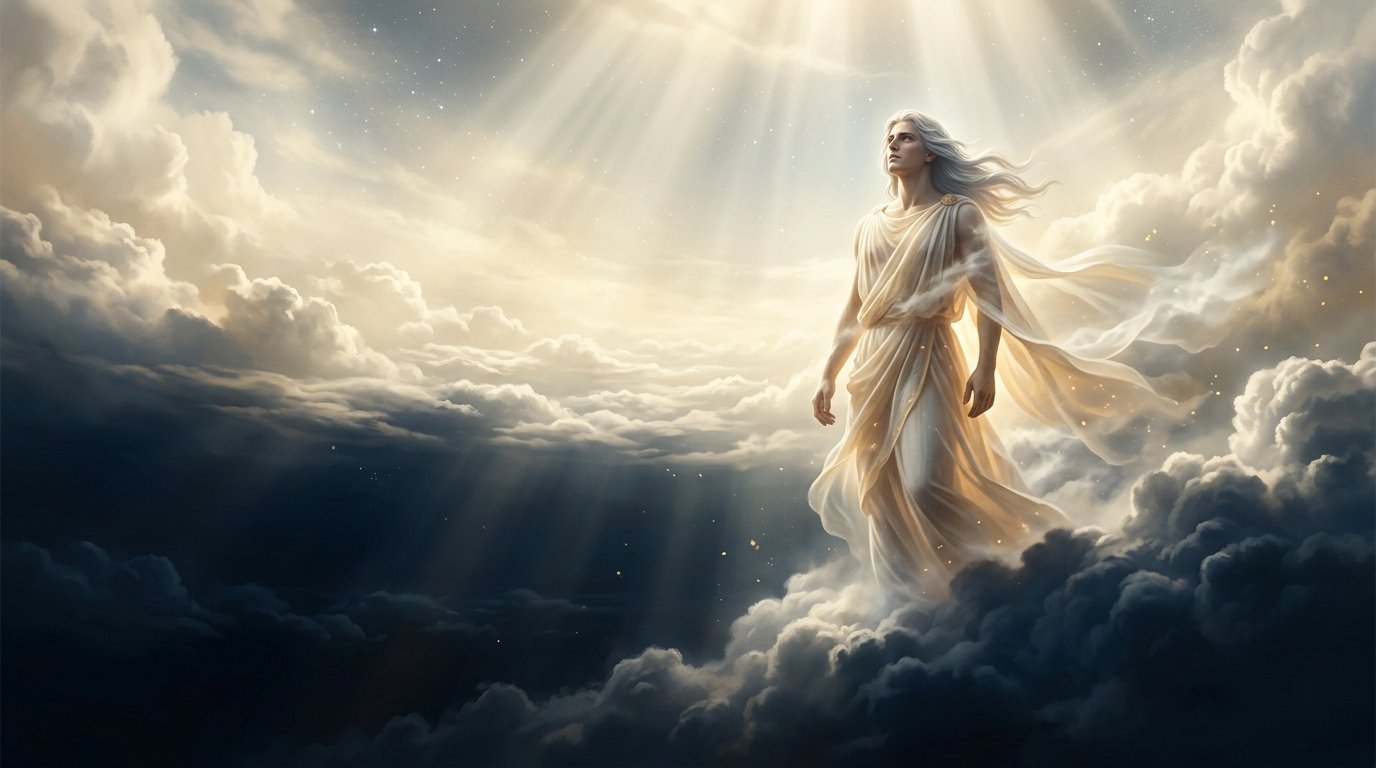
Aether: The Bright Upper Air of Greek Mythology
Table of Contents Two Kinds of Air Born From Darkness A Minor Figure With a Long Afterlife Aether in Orphic ...
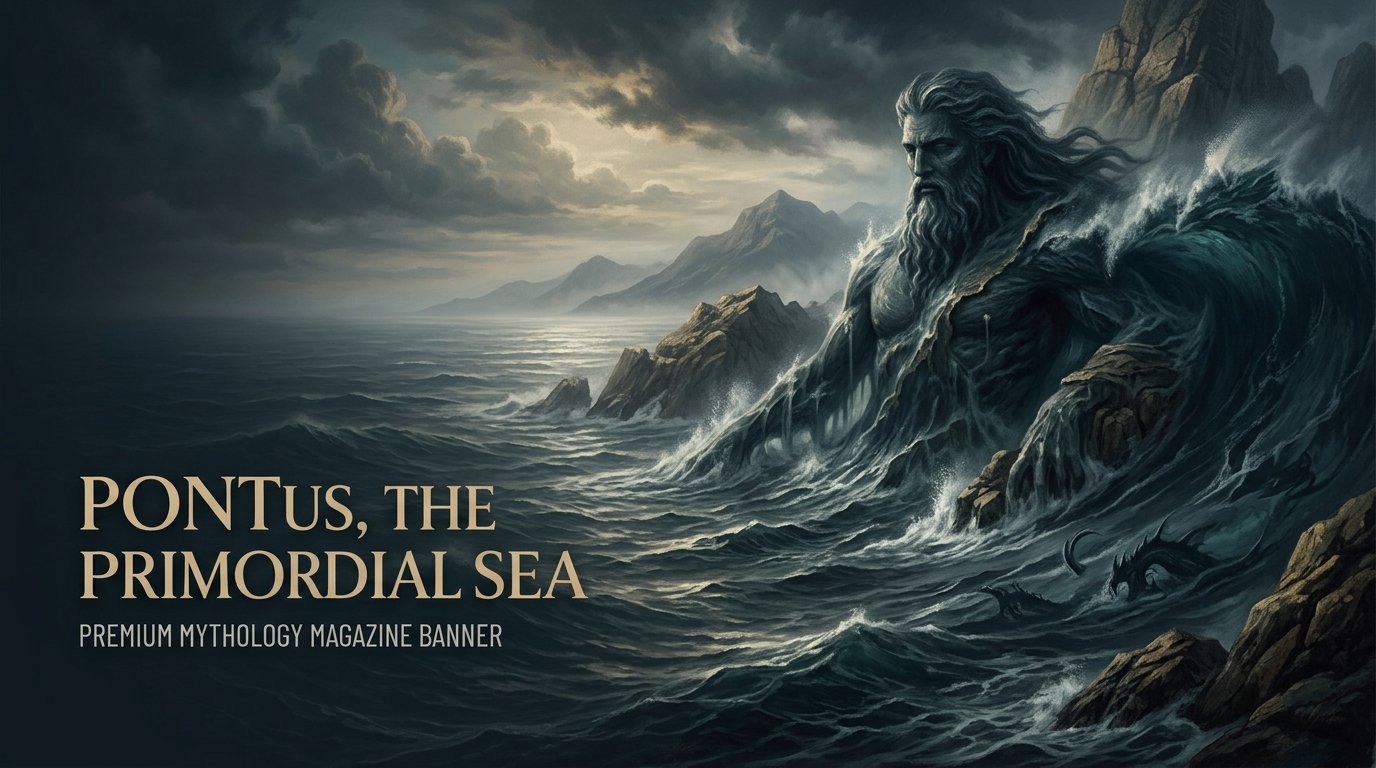
Pontus: The Primordial Sea in Greek Mythology
Table of Contents Born Without a Father Two Very Different Bloodlines Pontus Is Not Poseidon Pontus and the Broader Sea ...
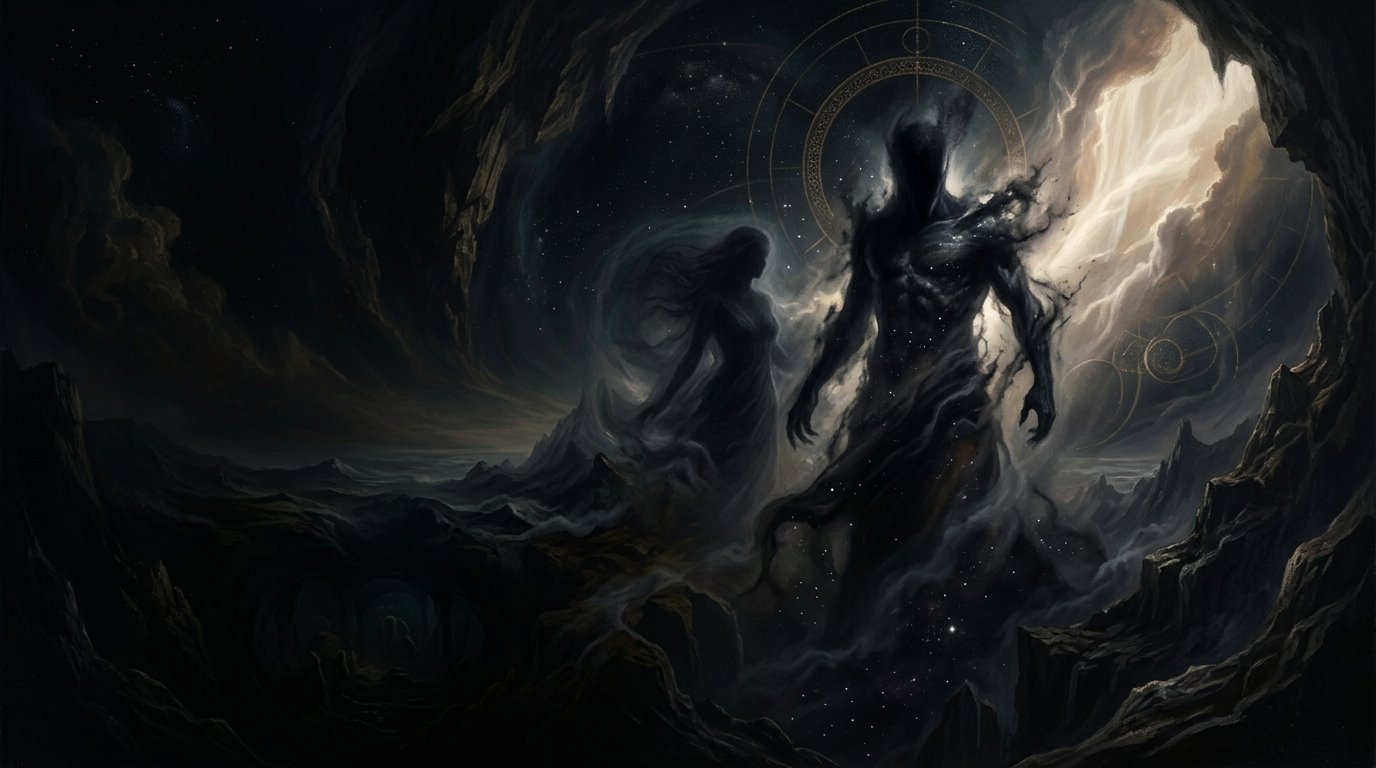
Erebus: Primordial Darkness in Greek Mythology
Table of Contents Darkness as a Named Power Darkness Producing Light A God, a Place, or Both? Not the Same ...
Greek Gods and Goddesses: The Complete Guide to the Greek Pantheon
Table of Contents Primordial Deities Chaos Gaia Uranus Tartarus Nyx Erebus Pontus Aether Hemera Ananke Chronos Thalassa Titans Cronus Rhea ...
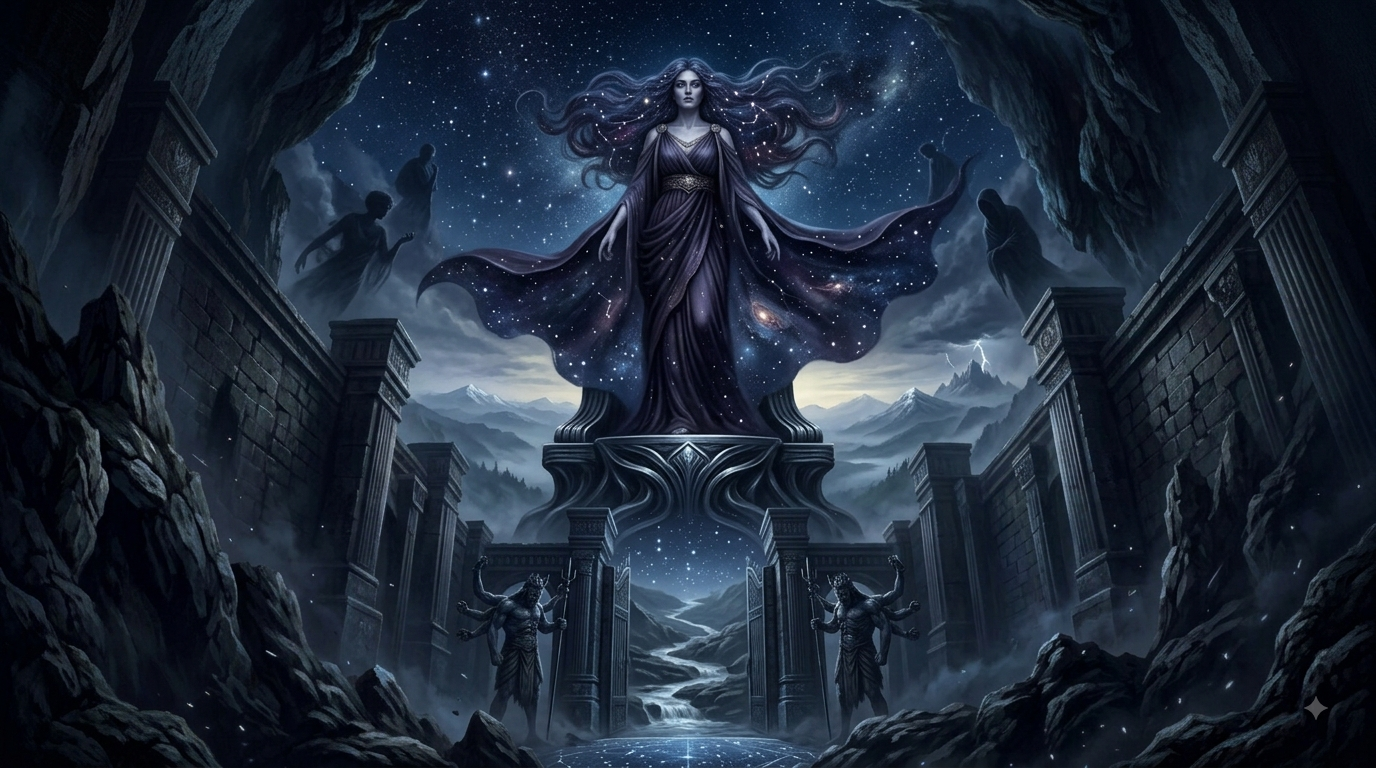
Nyx: The Primordial Goddess of Night in Greek Mythology
Table of Contents Who Is Nyx in Greek Mythology? Nyx’s Children: Sleep, Death, and More Why Was Zeus Afraid of ...
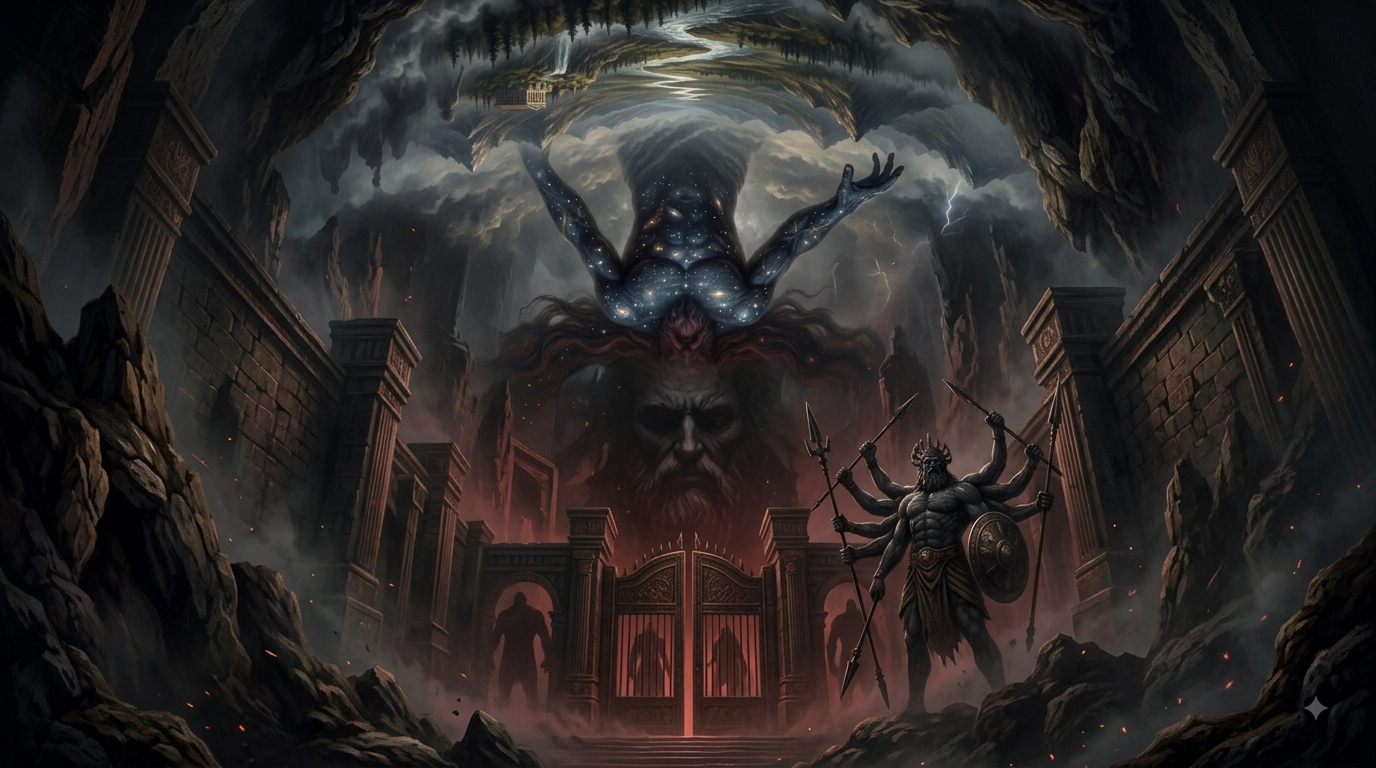
Tartarus: The Deepest Abyss in Greek Mythology
Table of Contents What Is Tartarus in Greek Mythology? Is Tartarus a God or a Place? Tartarus and the Titanomachy ...